By Dennis Brown, Technical Sales Manager - Weiler Abrasives
Dennis Brown specializes in gear grinding applications and works with manufacturers to improve grinding quality, cycle time and wheel performance.
Gear grinding wheel shortages can create machine downtime, delay customer orders and disrupt production schedules. Learn five practical strategies for reducing supply risk—and how on-demand wheel finishing can help shorten lead times for custom gear grinding wheels.
What you'll learn
Common causes of gear grinding wheel shortages and delays
Five ways to strengthen your grinding wheel supply strategy
What to evaluate when selecting a gear grinding wheel supplier
How on-demand profiling can reduce custom wheel lead times
How one gear manufacturer reduced cycle time by 30%
Keeping Your Wheels Turning: Practical strategies to reduce lead times, prevent shortages and keep gear production on schedule
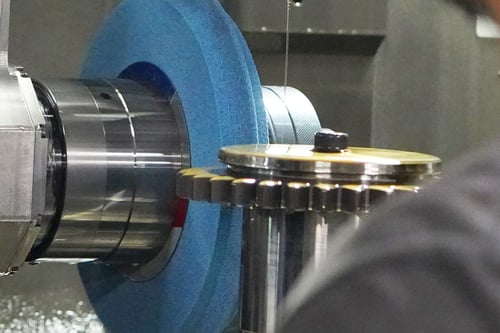
Gear grinding is a particularly vital part of gear manufacturing, often serving as the final step in the process before a product is shipped to the customer. This makes the quality and consistency of the grinding process not just important, but absolutely critical for gear manufacturers. However, the gear manufacturing landscape is not without some challenges that can affect production efficiency and final product quality and potentially delay customer orders.
Common Gear Grinding Challenges
A number of industry trends and challenges can negatively impact gear grinding productivity and efficiency for many manufacturers. These include:
Long lead times:
In today’s economic landscape, supply chain issues related to gear grinding wheels can be especially problematic for gear manufacturers. Long wait times for grinding wheels may stem from raw material shortages, shipping delays caused by overseas production or sourcing, or supplier backlogs. Often, lead times can run months or even a year or more. Delays in acquiring the right grinding wheels for a specific job can trigger a detrimental domino effect, potentially bringing entire production lines to a halt and delaying customer orders.
Inconsistent wheel quality:
Lack of technical support for end users:
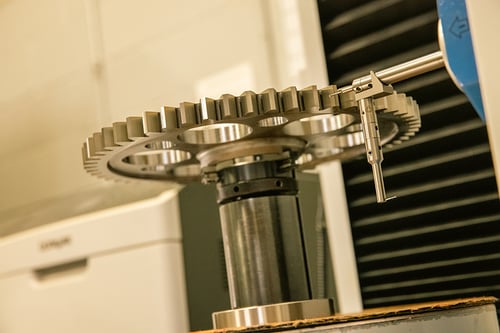
Another key challenge can be a lack of technical support from wheel manufacturers. Whether the issue is production delays on the supplier end or a change to the raw materials used in wheel production, consistent communication is key in order for end users to best plan and prepare in their gear grinding operation.
Practical Strategies To Address the Challenges
The consequences of an unreliable grinding wheel supply extend beyond mere inconvenience; they can lead to costly machine downtime, increased maintenance expenses, and a complete standstill in product shipment if wheels are unavailable. Therefore, understanding and mitigating these common challenges for grinding wheels is not just a logistical concern, but a strategic imperative for gear manufacturers.
Here are five practical strategies to proactively mitigate the risks of grinding wheel shortages and delays and keep gear production on schedule:
- Dual sourcing: One of the main ways to avoid long lead times, production delays and other supply chain problems is to use a dual sourcing strategy. Having a second source for grinding wheels provides manufacturers with a back-up option and can keep production lines moving.
- Forecast sharing and communication: Proper communication with a wheel supplier is important to help ensure a continued supply of the right grinding wheels. The more information that can be shared with the wheel supplier, the more prepared that supplier will be to fulfill specific orders in a timely manner. If an influx or production demand is expected, informing the supplier helps ensure everyone is on the same page.
- Maintain safety stock for critical wheels: Keep back-up stock of critical wheels that are already qualified and ready to go on the shelf for emergency situations. This is especially important for high production environments such as aerospace or automotive manufacturing.
- Implement modular wheel design: Working with a wheel manufacturer to implement a modular wheel design that can be flexible across an array of geometries can help operations avoid shortages and delays.
- Track key KPIs: Monitoring important key performance indicators in the gear grinding operation provides data that helps for planning ahead regarding orders and inventory.
Choosing the Right Wheels and Wheel Suppliers
There are technologies available that can help gear manufacturers optimize grinding wheel life, performance and end results. If grinding wheels are wearing out too fast and requiring too-frequent replacement, for example, it’s important to look for a wheel manufacturer that has a wheel designed to resist burn and chatter to provide better grind results and longer life. Using the latest grain and bond technologies that are specifically designed to reduce thermal damage can deliver the desired quality, wheel life and performance in many applications.
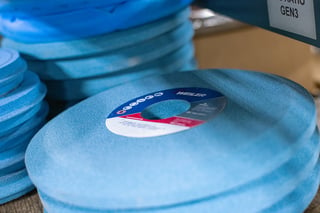
Some options are also available to help address challenges related to wheel inventory and procurement. The Precision Express program from Weiler Abrasives cuts lead times for gear grinding wheels from months to weeks with on-demand wheel finishing. Precision Express matches an in-house profiling cell with a broad range of on-hand stock. Even when gear manufacturers see a spike in demand or need a custom profile at a moment's notice, they can get consistent availability and delivery. With a sizable stock inventory at Weiler Abrasives’ North American headquarters in Pennsylvania, custom wheels can be produced within two weeks.
Real-World Example
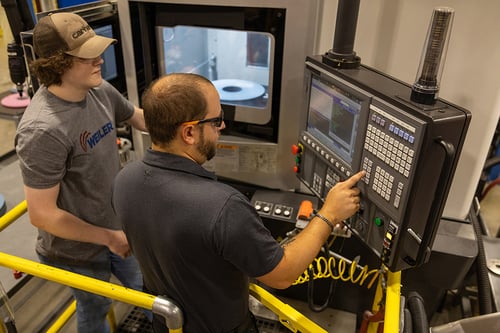
The manufacturer worked with Weiler Abrasives to evaluate the application and develop a custom grinding wheel solution. Through the Precision Express program, the test wheel was delivered in weeks rather than months, with support that included on-site application analysis and remote troubleshooting.
The new wheel helped reduce grinding cycle time by 30% while eliminating the need for wheel adjustments during the process. The manufacturer has since expanded the solution across five machines as it prepares for increased production demand.
Addressing Gear Grinding Wheel Supply Challenges
As many gear manufacturers deal with supply chain challenges and wheel delays and shortages, the importance of choosing the right wheels and wheel suppliers cannot be overstated. Manufacturers should prioritize suppliers that offer advanced wheel technologies designed to optimize performance, extend wheel life, and resist common issues like burn and chatter. Beyond product quality, the availability of robust technical support and on-site troubleshooting from suppliers is crucial for minimizing downtime and ensuring continuous operation.
By implementing practical strategies such as dual sourcing, sharing forecasts with suppliers, and maintaining safety stock for critical wheels, manufacturers can proactively mitigate the risks of gear grinding wheel shortages and delays. In addition, adopting innovative approaches like modular wheel designs and partnering with suppliers offering on-demand finishing services, can significantly reduce lead times and enhance operational agility.
Key Takeaways
Dual sourcing and qualified safety stock can reduce the risk of production interruptions.
Sharing forecasts helps wheel suppliers prepare for changes in production demand.
Grinding wheel consistency and supplier technical support are as important as initial wheel availability.
On-demand wheel profiling can reduce the time required to obtain custom gear grinding wheels.
A reliable wheel supply strategy can help protect machine uptime, product quality and customer delivery dates.
Originally published in the August 2025 issue of Gear Technology Magazine.
Common Gear Grinding Questions
What causes long lead times for gear grinding wheels?
Long lead times may result from raw material shortages, overseas production and shipping delays, supplier backlogs or limited availability of the required wheel specification and profile.
How can manufacturers avoid gear grinding wheel shortages?
Manufacturers can reduce supply risk by establishing a qualified secondary source, sharing production forecasts with suppliers, maintaining safety stock for critical wheels, considering modular wheel designs and tracking inventory and production KPIs.
How quickly can custom gear grinding wheels be produced?
Lead times depend on the wheel specification and supplier capabilities. Through the Weiler Abrasives Precision Express program, custom gear grinding wheels can be produced within two weeks using on-hand stock and in-house profiling.
What should manufacturers look for in a gear grinding wheel supplier?
Manufacturers should evaluate wheel consistency, available grain and bond technologies, resistance to burn and chatter, lead times, inventory capabilities, communication and access to application and troubleshooting support.