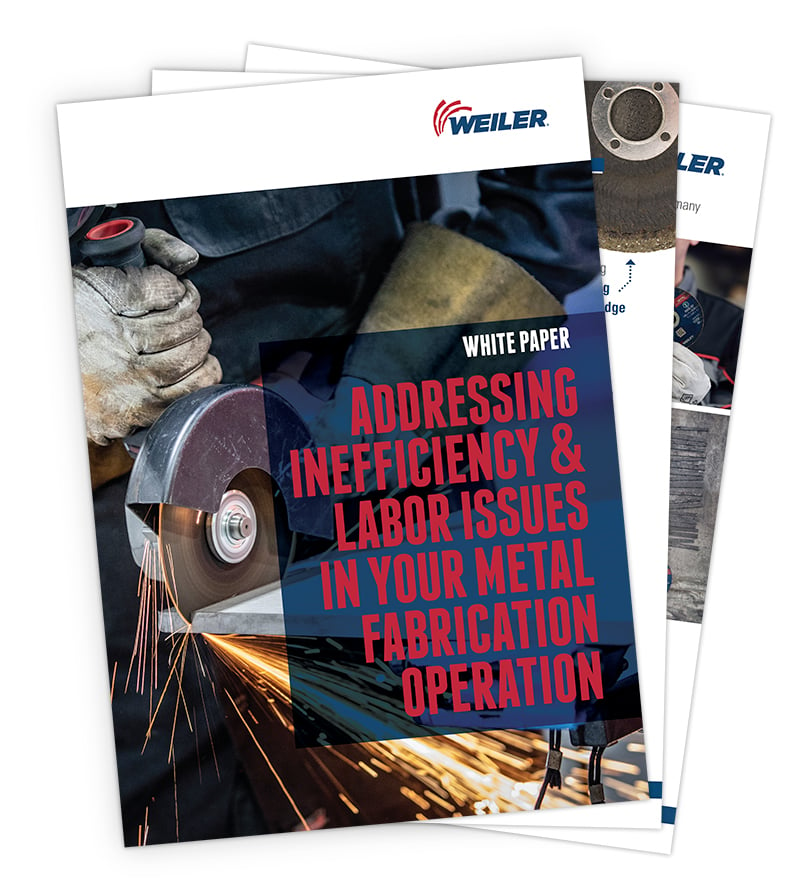
Includes application insights, testing and validation details, and real-world productivity results from metal fabrication environments.
A data-driven way to improve abrasive productivity
Many metal fabrication operations know they have inefficiencies in cutting and grinding, but they may not have a clear way to measure where those losses are happening or how much they are costing the business.
That is where the Weiler Consumable Productivity Program, or WCP, comes in.
WCP is a structured evaluation process that helps fabrication facilities measure current abrasive performance, test alternative solutions and identify opportunities to reduce labor time, wheel usage, downtime and overall consumable costs. Instead of focusing only on the purchase price of an abrasive product, WCP looks at the total impact of abrasive performance on productivity.
Through this process, Weiler Abrasives experts evaluate how abrasives are being used in real production environments, establish a performance baseline and provide documented recommendations backed by data.
Why abrasive productivity matters in metal fabrication
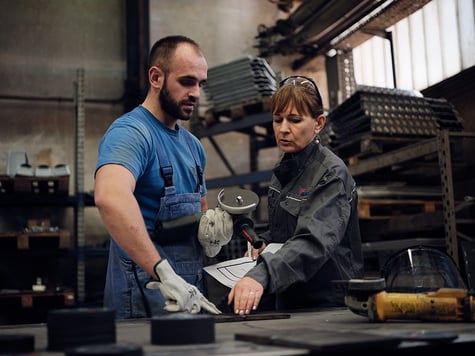 Cutting, grinding, weld preparation and finishing are essential steps in many metal fabrication operations. When these processes are inefficient, the impact can show up across the entire shop floor.
Common sources of hidden productivity loss include frequent abrasive changeovers, slow cutting or grinding performance, unnecessary rework, operator fatigue and improper product selection for the material or application.
These inefficiencies are especially costly when skilled labor is limited. Every additional wheel change, secondary process or unnecessary delay takes time away from production. By improving abrasive performance and application efficiency, fabrication operations can help their teams get more done with the labor they already have.
How WCP helps uncover hidden savings
The Weiler Consumable Productivity Program uses real application data to help identify where abrasive changes may improve performance. The process is designed to compare current abrasive usage against alternative solutions in the actual work environment.
A typical WCP evaluation includes:
- On-site assessment: Weiler experts review the production process, observe how abrasives are being used and identify applications where productivity gains may be possible.
- Baseline measurement: The current process is measured to document wheel usage, cycle time, material removal, labor input and other key performance factors.
- Product testing: Alternative abrasive solutions are tested in the same or similar applications to compare performance, product life and efficiency.
- Impact calculation: The collected data is used to estimate the potential annual impact on labor time, consumable usage, productivity and cost.
- Documented recommendations: Weiler provides findings and recommendations so your team can make informed decisions based on measurable results.
Beyond abrasive cost: understanding total productivity impact
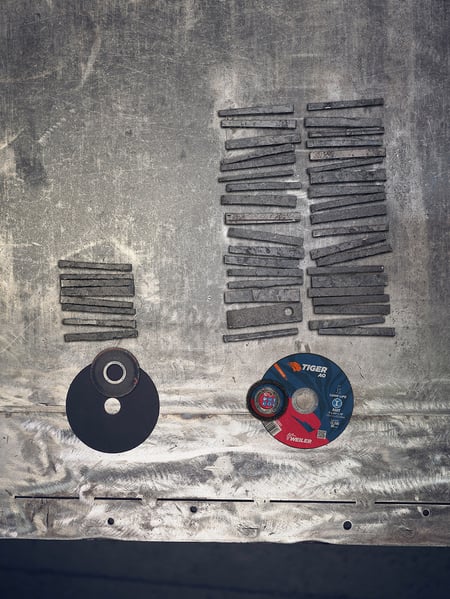 Abrasive unit price is only one part of the cost equation. A product that costs less upfront may cost more over time if it wears quickly, slows production, requires frequent changeovers or creates additional finishing work.
WCP helps fabrication operations look beyond product price and evaluate the broader impact of abrasive performance, including:
- Labor time
- Wheel life
- Changeover frequency
- Cut rate or material removal rate
- Rework and secondary processing
- Operator comfort and fatigue
- Safety and proper product use
- Overall production efficiency
This approach helps operations better understand the true cost of their cutting and grinding processes.
Real-world results in demanding fabrication environments
The white paper includes examples from metal fabrication environments where abrasive testing and process evaluation uncovered significant opportunities for improvement.
In one shipyard application, a Weiler grinding wheel lasted five times longer than the competitive wheel, helping the operation reduce annual wheel usage and recover labor hours across multiple grinders.
In another fabrication example, Weiler experts compared cutting and grinding wheels at a heavy equipment manufacturer and identified opportunities to reduce consumable usage, improve productivity and lower annual operating costs.
Results vary by application, material, tool, operator technique and production environment. The value of WCP is that it evaluates performance in your actual operation and uses data to support the recommendation.
Applications and industries that can benefit
The insights in this white paper are relevant to operations that rely on abrasive products for cutting, grinding, brushing, cleaning, deburring, weld preparation, and finishing.
This includes industries such as:
- Shipbuilding and ship repair
- Structural steel fabrication
- Pressure vessel manufacturing
- Heavy equipment fabrication
- Foundries
- General metal fabrication
- Industrial maintenance and repair
Whether your operation is focused on large-scale production, custom fabrication or repair work, improving abrasive productivity can help reduce downtime and support better throughput.
Who should read this white paper?
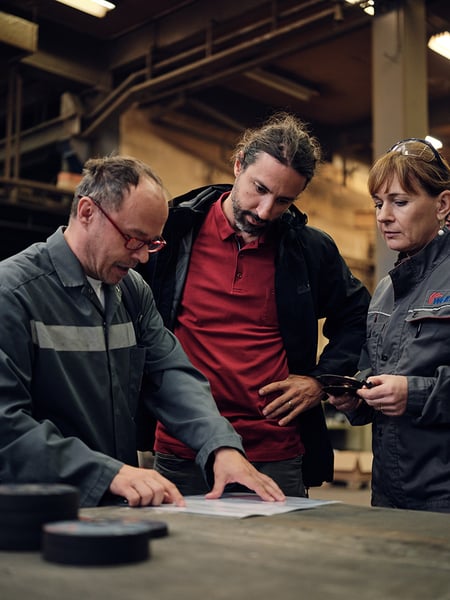
This white paper is designed for anyone responsible for improving productivity, controlling costs or addressing labor challenges in a metal fabrication environment.
It is especially useful for:
- Plant managers
- Production managers
- Operations leaders
- Manufacturing engineers
- Process engineers
- Welding supervisors
- Fabrication supervisors
- Safety managers
- Purchasing teams
Download the white paper
Learn how metal fabrication operations can identify hidden inefficiencies, improve abrasive productivity and make better cutting and grinding decisions using real performance data.
Download the white paper to explore the Weiler Consumable Productivity Program and see how a structured testing and validation process can help uncover measurable savings.