White Paper | Tiger® 3D MAX Technology
The Science of Abrasive Efficiency in Critical Weld Grinding
Grinding performance is not just how fast a new disc cuts. For fabrication leaders, the bigger opportunity is reducing labor time, changeovers, fatigue, and variability. Download the white paper to see how Tiger 3D MAX technology and real-world process testing help shops evaluate abrasive performance by what matters most: material removed over time.
Inside the white paper, you’ll learn:
- Why unit price is rarely the best way to measure abrasive cost.
- How precision-shaped grain, grain retention, and micro-fracturing affect consistency.
- How grinder power, backing pad selection, and on-site testing influence real productivity.
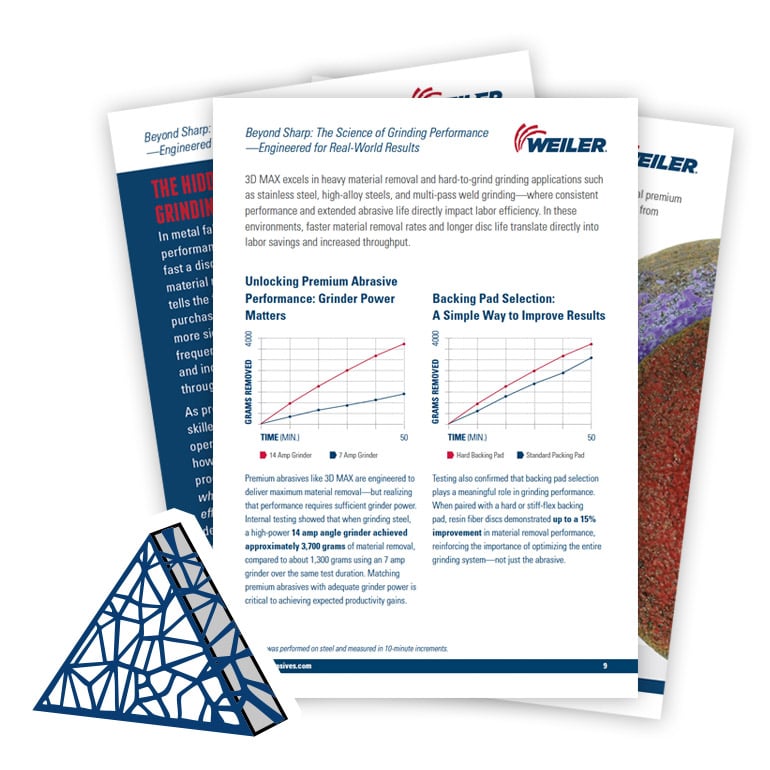
Includes controlled testing data, application guidance, and WCP case study results.
Grinding costs are often hidden in labor, changeovers, and rework
In many fabrication shops, abrasives are evaluated by purchase price or how aggressively a disc cuts when it is new. But the real cost of grinding often shows up elsewhere: operator time, frequent disc changes, inconsistent material removal, fatigue, and rework. For shops producing critical-to-quality welds, those hidden costs can affect throughput, production planning, and profitability.
What you’ll learn in the white paper
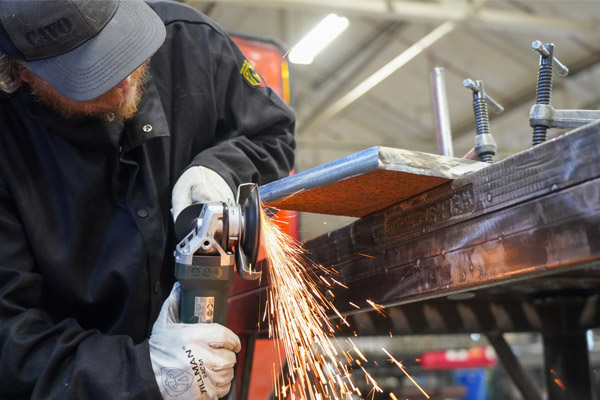
How to evaluate abrasive efficiency
Learn why material removed over time is a better measure than initial cut rate alone.
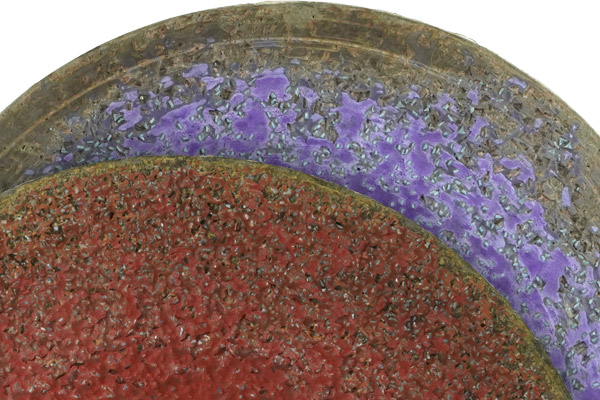
Why grain retention matters
See how keeping high-value ceramic grain on the disc longer can extend usable life and reduce changeovers.
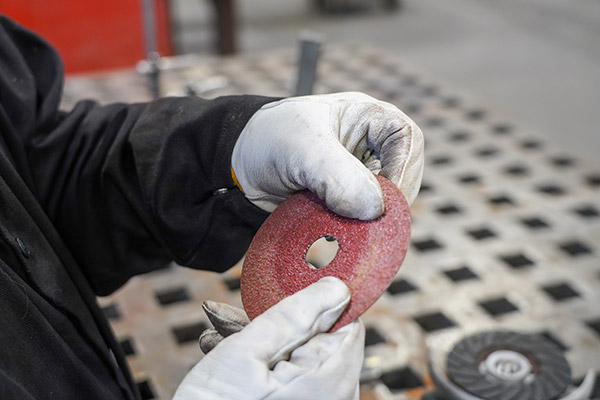
How the full grinding system affects performance
Understand why grinder power, backing pad selection, material type, and operator technique all influence results.
How to validate savings in your shop
Explore how Weiler’s Consumable Productivity Program measures material removal, disc life, cycle time, labor hours, and total operating cost.
Engineered for more consistent grinding performance
Tiger 3D MAX resin fiber discs, flap discs, and blending discs are designed for demanding metal fabrication applications where material removal, disc life, operator control, and consistency matter. The technology combines precision-shaped ceramic grain with optimized grain retention, controlled micro-fracturing, and cool-grinding formulations to help operators remove more material with less wasted effort.
Built for demanding metal fabrication applications
This white paper is especially relevant for fabrication operations working with heavy material removal, multi-pass weld grinding, stainless steel, high-alloy steels, and other hard-to-grind materials. It is designed for fabrication operations that need to improve throughput while maintaining consistent results across operators and shifts.
See the data behind the performance claims
Results are based on Weiler controlled testing and documented WCP productivity testing. Actual results vary by application, material, tool, operator technique, and process conditions.





Who should read this white paper?
Download this white paper if you are responsible for improving grinding productivity, reducing consumable waste, maintaining weld quality, or increasing throughput in a metal fabrication environment.
- Owners and general managers
- Plant managers
- Production managers
- Manufacturing and process engineers
- Welding and fabrication supervisors
- Line leads responsible for grinding, blending, or weld preparation
Abrasive efficiency questions answered in the white paper
What is abrasive efficiency?
Abrasive efficiency is the ability of a grinding product to remove material consistently over its usable life. It should be evaluated by material removed over time, disc life, changeovers, operator effort, and total grinding cost—not just initial cut rate.
Why does grain retention matter?
Grain retention helps keep abrasive grain on the disc long enough to do the work. Better grain retention can improve usable disc life, maintain performance, reduce premature grain loss, and decrease changeovers.
Why does grinder power matter with premium abrasives?
Premium abrasives are designed to deliver high material removal, but they need sufficient grinder power to realize that performance. The white paper includes testing that compares material removal using different grinder power levels.
How can a fabrication shop validate abrasive savings?
The most reliable way is to test abrasives under real production conditions and measure material removal, disc life, cycle time, labor hours, and total operating cost.
Ready to find hidden grinding savings?
Download the white paper to learn how abrasive efficiency, process setup, and application-specific testing can help reduce total grinding cost.